Top of pageSkip to content
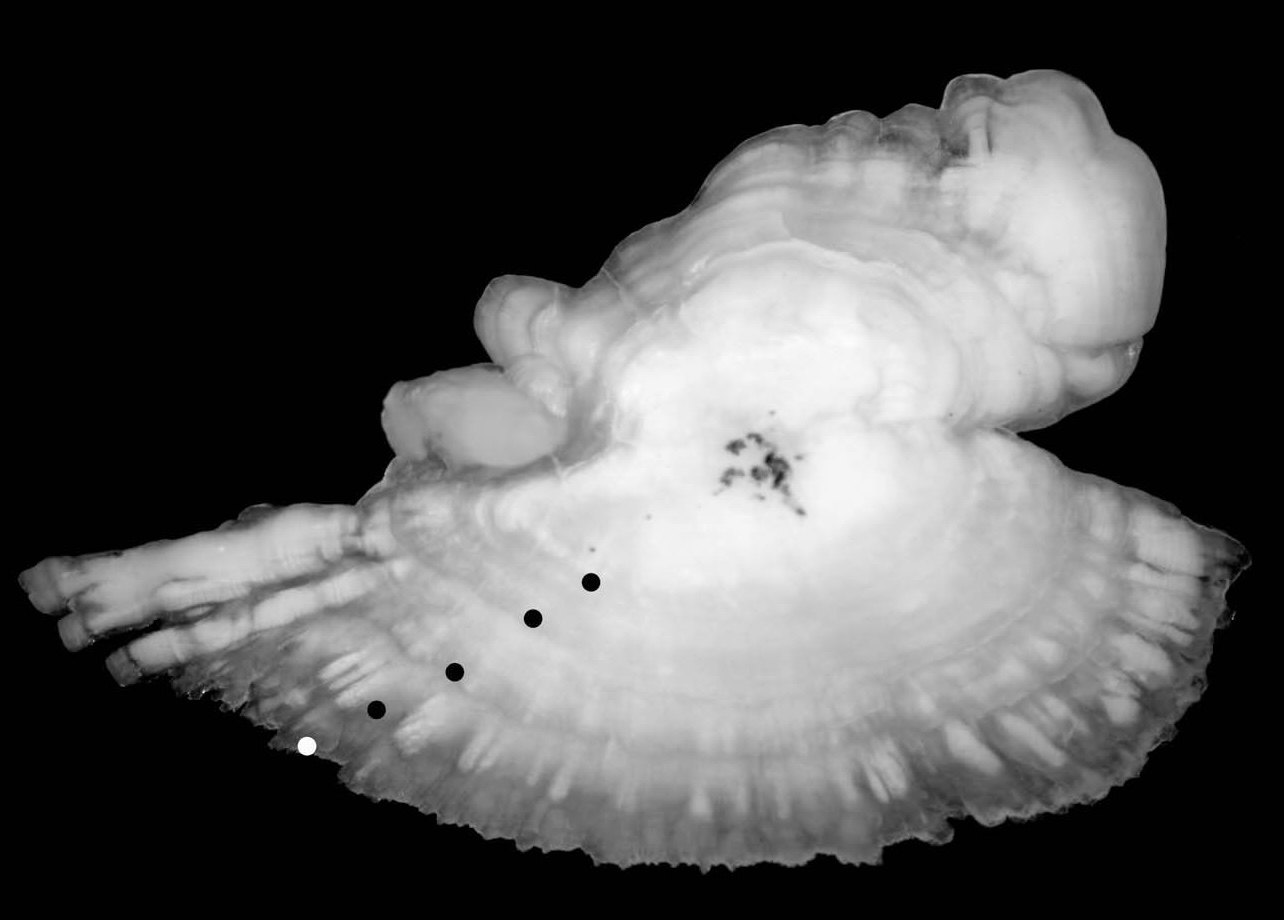
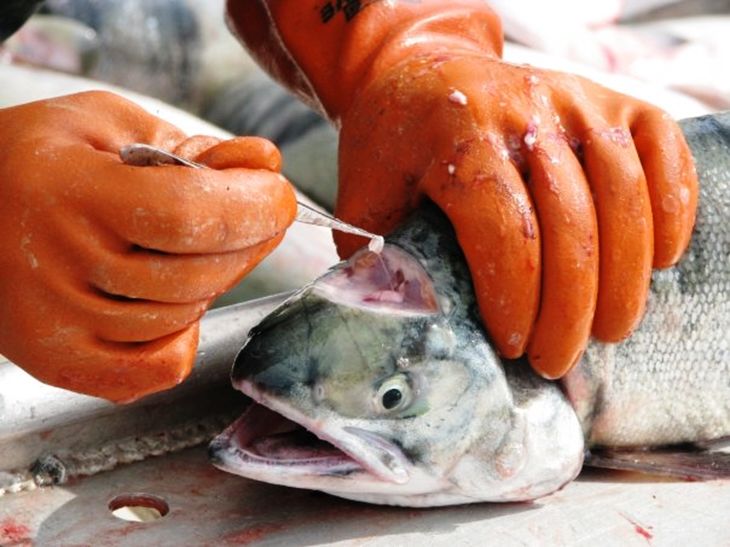
Salmon sampled for otolith thermal marking and fish aging

Otolith Thermal Marking & Fish Aging Lab

Otolith Thermal Marking

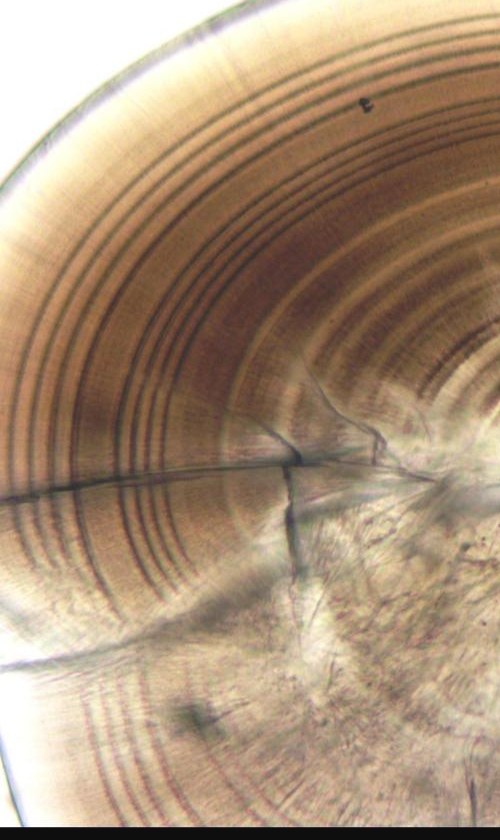
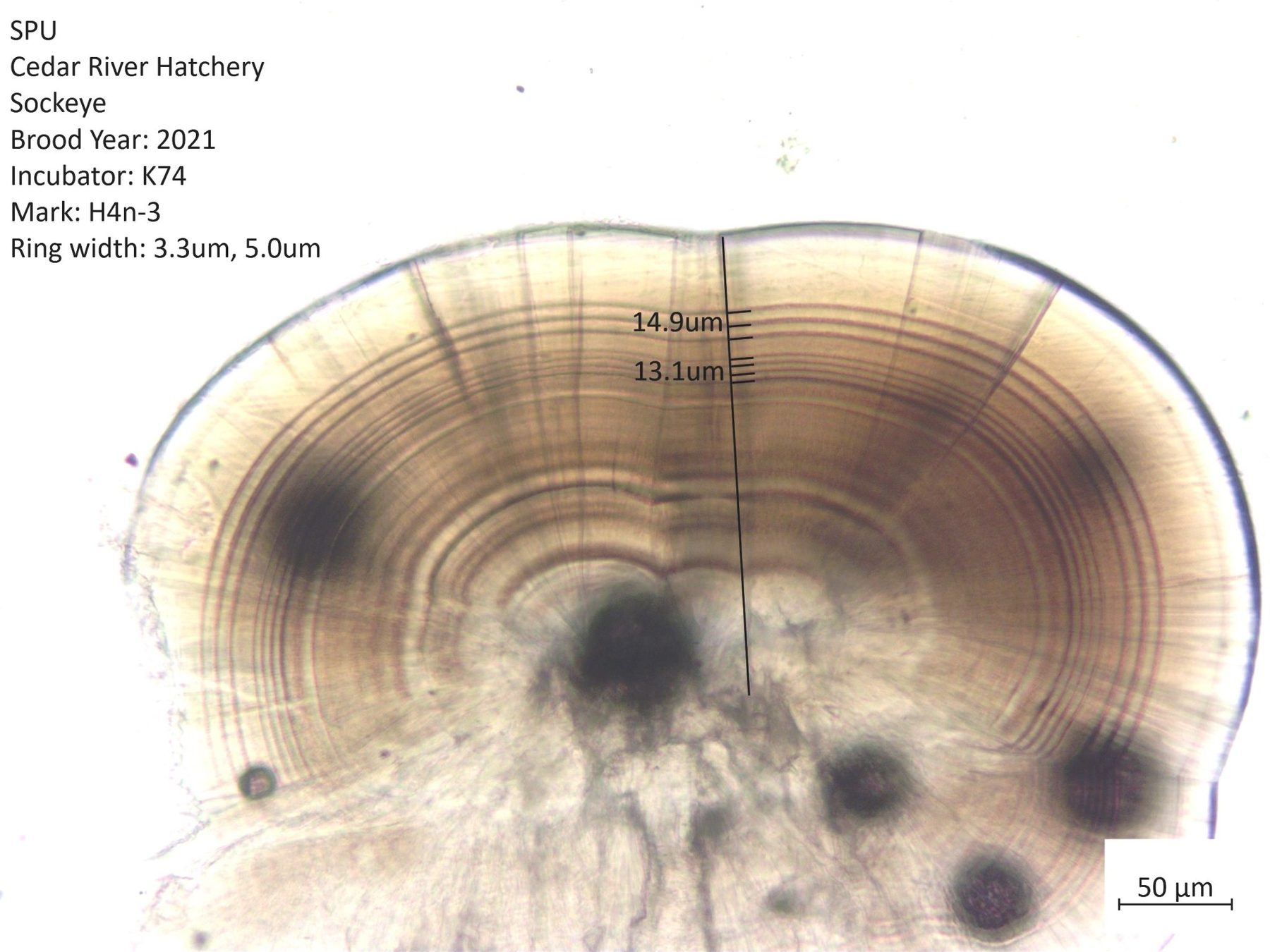
Salmon otolith thermal mark rings under transmitted light

Otolith thermal marking is a clever, non-invasive technique used primarily in salmon hatcheries to permanently “Mark” fish with a unique internal bar code.

What is an Otolith?

An otolith (from Greek: “ear stone”) is a small, hard, calcium-carbonate structure in the inner ear of bony fish. It helps the fish with balance and hearing. As the fish grows, the otolith grows too by adding microscopic layers of material daily — much like how a tree adds wood.

How Otolith Thermal Marking Works

Hatcheries create artificial marks on the otolith while the fish is still an embryo and/or alevin:

  • They briefly change the water temperature in the incubation tanks (typically a drop of 3–5°C for 24–48 hours, then back to normal).
  • This abrupt change in temperature disrupts the normal daily growth of the otolith, creating a visible dark ring (or band) when viewed under a microscope with transmitted light.
  • By repeating controlled temperature cycles with different durations or timing, hatcheries can create a unique pattern or “barcode” of dark and light rings.
  • This pattern acts as a permanent internal mark that identifies the Country, State, hatchery, brood year, release site, or even a specific group of fish.

About Michael Wunderlich

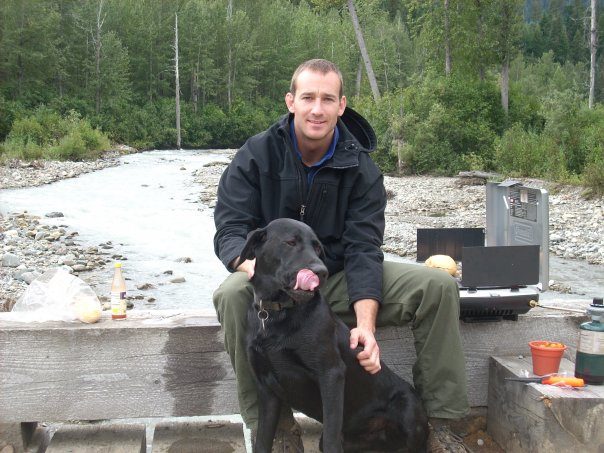
Michael Wunderlich with Rocky

Hi, I’m Michael Wunderlich, founder and principal consultant of Sagilith, a private fisheries laboratory specializing in otolith thermal marking and precise fish aging.

I began my career in British Columbia, working with otoliths and aging structures from rainbow trout, kokanee, lake trout, walleye, and pike. In 2005, I moved to Alaska to conduct thermal marking research at one of the largest salmon hatcheries in the state. Over the years, I’ve worked with the Alaska Department of Fish and Game, the North Pacific Anadromous Fish Commission, National Marine Fisheries Service, University of Alaska Southeast, Japan, Russia, and most major Alaska salmon hatcheries.

In 2013, I moved to Seattle, Washington and founded Sagilith. I now run thermal marking programs for major utility companies including Seattle Public Utilities and Tacoma Power.

Projects

Seattle Public Utilities

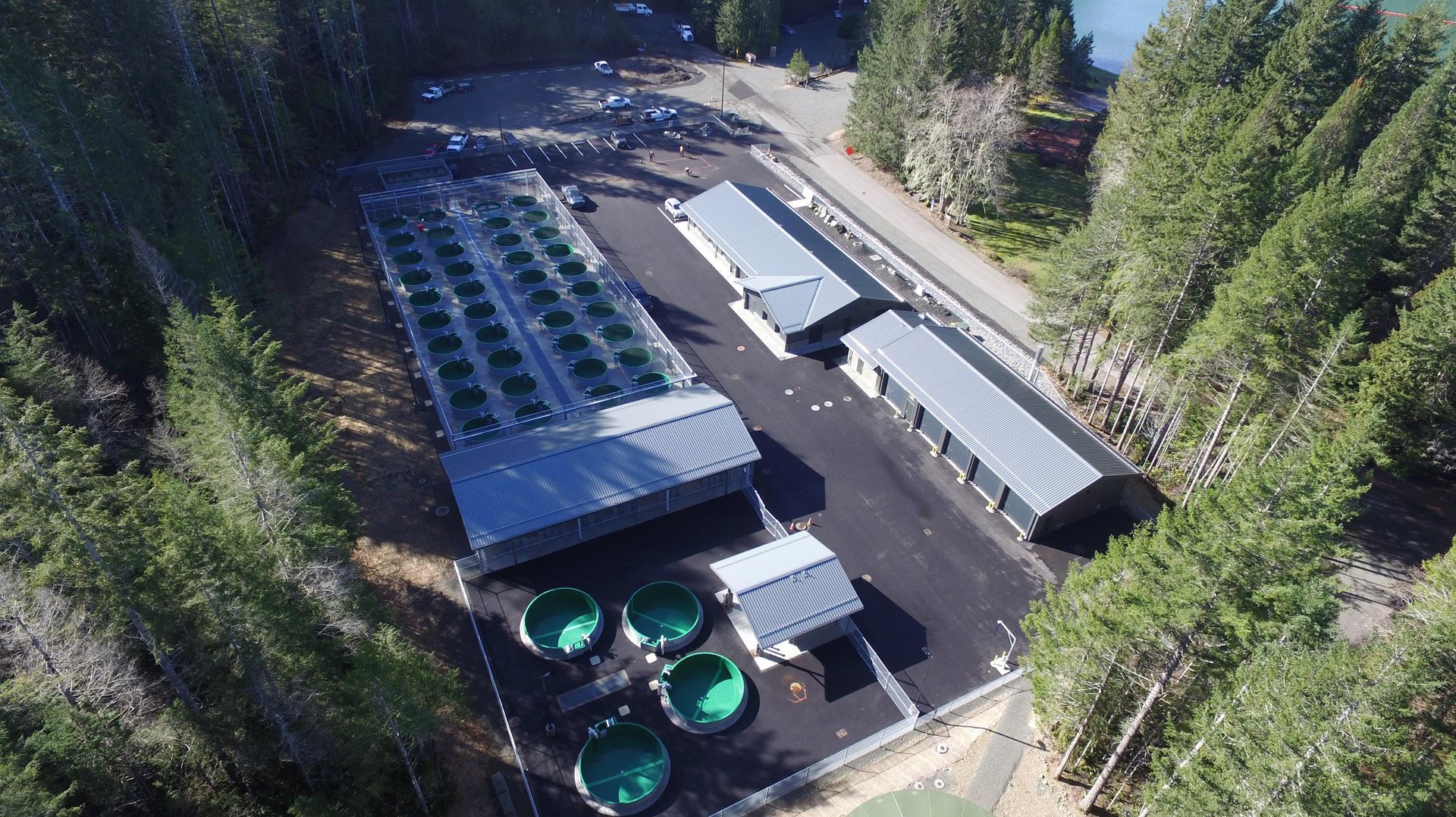
Seattle Public Utilities operates the Cedar River Sockeye Hatchery as part of the Landsburg Mitigation Program, producing up to 34 million sockeye fry each year for release into the Cedar River.

Every hatchery fry is thermally marked on the otolith and carries no external tag. When adults return, those internal marks identify hatchery-origin fish, measure the hatchery’s contribution to the run, and help SPU manage the sockeye program alongside the natural-origin population.
Tacoma Power

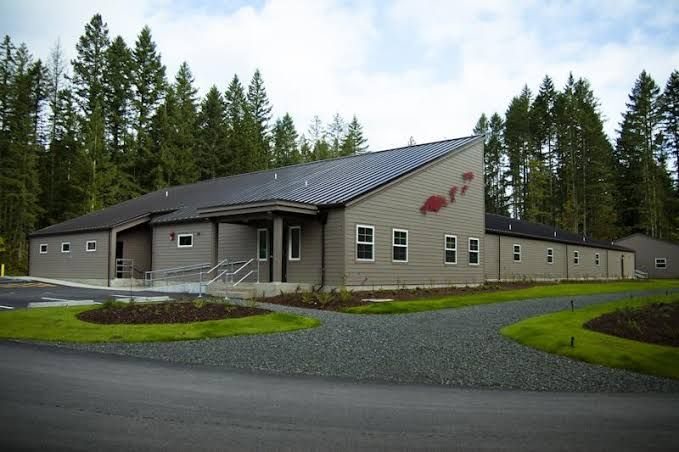
Tacoma Power’s Saltwater Park Hatchery, on Hood Canal, is dedicated to sockeye salmon as part of the Cushman Hydro Project fisheries program. Built with the Skokomish Tribe, the hatchery can incubate and rear up to 2 million sockeye a year. Fry are released into Lake Cushman to grow, then collected and released into the North Fork Skokomish River.

The hatchery uses an advanced chiller system to thermally mark every fish on the otolith. Those marks identify hatchery-origin sockeye when adults return to Cushman Dam, so Tacoma Power can track survival, age, and hatchery contribution and manage the recovery program.

Freshwater Fishery Society of British Columbia

The BC Provincial Aging Lab in Abbotsford, run by the Science Division of the Freshwater Fisheries Society of BC, ages fish for conservation and recreational management of provincial lakes and rivers. Biologists read scales and otoliths to provide age data to provincial staff, contractors, and society biologists.

Those ages show size-at-age, maturity, survival, and how well lake-stocking programs are working. The lab focuses on rainbow trout, cutthroat trout, eastern brook char, steelhead, largemouth bass, bull trout, and kokanee.

Pricing

Thermal Mark Analysis

  • $16.50 per otolith — All salmon & trout except Chinook
  • $18.50 per otolith — Chinook salmon

Otolith Aging

  • $16.50 per otolith — All salmon & trout except Chinook
  • $18.50 per otolith — Chinook salmon

Scale Aging

  • $15.00 per scale

My Lab

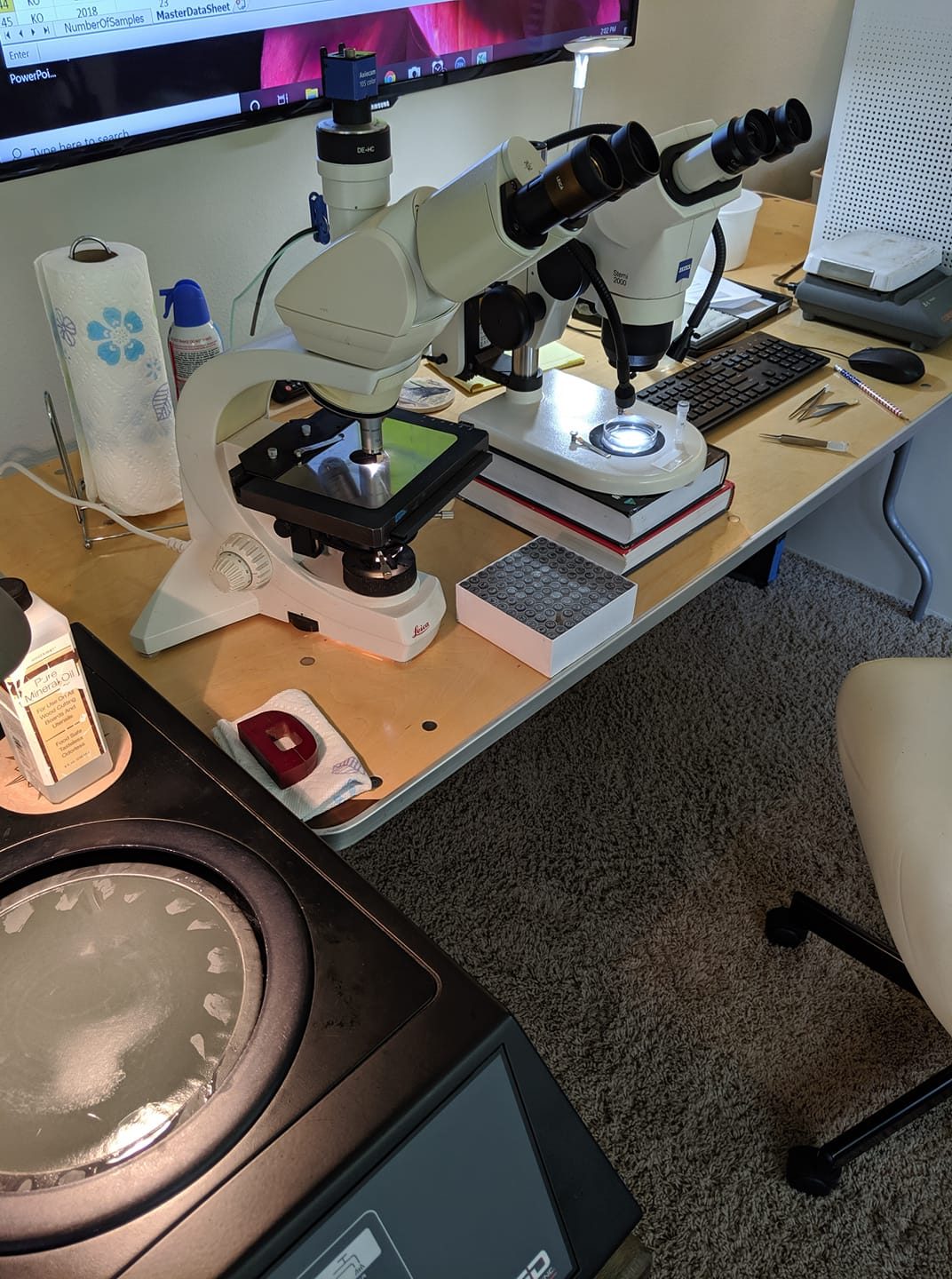
Sagilith fisheries laboratory workstation with microscope

Equipped with high-quality Leica and Zeiss microscopes.

My lab is fully equipped to deliver fast turnaround times — results in days, not months like many other laboratories.